Monday, October 28, 2013

Monster in the Milky Way:


Hubble Tracks a Monster in the Milky Way: This image shows the star-studded center of the Milky Way towards the constellation of Sagittarius. The crowded center of our galaxy contains numerous complex and mysterious objects that are usually hidden at optical wavelengths by clouds of dust — but many are visible here in these infrared observations from Hubble.

However, the most famous cosmic object in this image still remains invisible: the monster at our galaxy’s heart called Sagittarius A*. Astronomers have observed stars spinning around this supermassive black hole (located right in the center of the image), and the black hole consuming clouds of dust as it affects its environment with its enormous gravitational pull.

Infrared observations can pierce through thick obscuring material to reveal information that is usually hidden to the optical observer. This is the best infrared image of this region ever taken with Hubble, and uses infrared archive data from Hubble’s Wide Field Camera 3, taken in September 2011.

Credit: NASA, ESA, and G. Brammer


Friday, October 25, 2013

ഊര്‍ജ സംരക്ഷണത്തിന്റെ പാഠങ്ങള്‍ പകര്‍ന്ന് ബാലശാസ്ത്ര കോണ്‍ഗ്രസ്

Photo


ആലപ്പുഴ: ജില്ലാ ബാലശാസ്ത്ര കോണ്‍ഗ്രസ്സില്‍ പങ്കെടുക്കാനെത്തിയ വിദ്യാര്‍ഥികള്‍ അവതരിപ്പിച്ച പദ്ധതികള്‍ ഏറെയും ഊര്‍ജ്ജ സംരക്ഷണത്തിന്റെ നൂതനവും വേറിട്ടതുമായ വഴികളെ പരിചയപ്പെടുത്തുന്നതായി.

പാചക ആവശ്യങ്ങള്‍ക്കുള്ള സോളാര്‍ കുക്കര്‍, തിരമാലകളില്‍ നിന്നും വൈദ്യുതി, പായലില്‍ നിന്നും ബയോഡീസല്‍, ചകിരിച്ചോറില്‍നിന്നും വൈദ്യുതി, വിവിധ സൗരോര്‍ജ്ജ പദ്ധതികള്‍ ഇങ്ങനെ പോകുന്നു കുരുന്നു പ്രതിഭകളുടെ ശാസ്ത്ര ഭാവനകള്‍.

ജില്ലയില്‍നിന്ന് തിരഞ്ഞെടുക്കപ്പെട്ട 18 സ്‌കൂളുകളാണ് പ്രോജക്ടുകള്‍ അവതരിപ്പിക്കാനെത്തിയത്.

പ്രകൃതിയോടിണങ്ങിയതും ചെലവ് കുറഞ്ഞതുമായ സൗരോര്‍ജ്ജ പദ്ധതികള്‍ ജനങ്ങള്‍ വേണ്ടവിധം ഉപയോഗപ്പെടുത്തുന്നില്ലെന്ന് വിദ്യാര്‍ഥികള്‍ പറഞ്ഞു.

കേരള ശാസ്ത്ര സാങ്കേതിക പരിസ്ഥിതി കമ്മിറ്റി സംസ്ഥാന വിദ്യാഭ്യാസ വകുപ്പിന്റെ സഹകരണത്തോടെയാണ് ബാലശാസ്ത്ര കോണ്‍ഗ്രസ് സംഘടിപ്പിച്ചത്.

ജൂനിയര്‍ വിഭാഗത്തില്‍ ഗവ. യു.പി.എസ്. വേഴപ്രയും സീനിയര്‍ വിഭാഗത്തില്‍ ശ്രീഭുവനേശ്വരി എച്ച്.എസ്. മാന്നാര്‍, ഗവ. എച്ച്.എസ്.എസ്. ഹരിപ്പാട്, എന്‍.ആര്‍.പി.എം. എച്ച്.എസ്.എസ്. കായംകുളം, വി.വി.എച്ച്.എസ്.എസ്. താമരക്കുളം എന്നീ സ്‌കൂളുകളും സംസ്ഥാന ബാലശാസ്ത്ര കോണ്‍ഗ്രസ്സിലേക്ക് പ്രോജക്ട് അവതരിപ്പിക്കാന്‍ തിരഞ്ഞെടുക്കപ്പെട്ടു.

ഗവ. ഗേള്‍സ് ഹയര്‍ സെക്കന്‍ഡറി സ്‌കൂളില്‍ നടന്ന പരിപാടി ആലപ്പുഴ ഡി.ഡി.ഇ. ജിമ്മി കെ.ജോസ് ഉദ്ഘാടനം ചെയ്തു. ഡി.ഇ.ഒ. എ.അരുണ അധ്യക്ഷത വഹിച്ചു. ജില്ലാ കോ-ഓര്‍ഡിനേറ്റര്‍ എച്ച്. ശ്രീകുമാര്‍, ജില്ലാ അക്കാദമിക്ക് കോ-ഓര്‍ഡിനേറ്റര്‍ റോമിയോ കെ. ജെയിംസ് എന്നിവര്‍ പ്രസംഗിച്ചു.

Thursday, October 24, 2013

'ഏറ്റവും അകലെയുള്ള' ഗാലക്‌സി കണ്ടെത്തി

    |    Oct 24, 2013

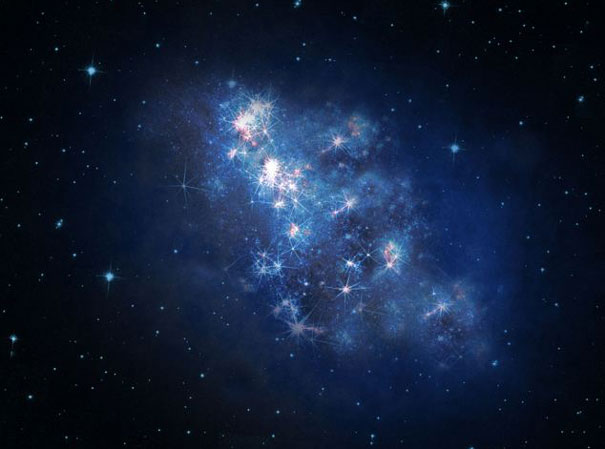
പ്രപഞ്ചത്തില്‍ ഇതുവരെ കണ്ടെത്തിയതില്‍ ഏറ്റവും അകലെയുള്ള ഗാലക്‌സി ഒരുസംഘം അന്താരാഷ്ട്രഗവേഷകര്‍ തിരിച്ചറിഞ്ഞു. ഹബ്ബിള്‍ സ്‌പേസ് ടെലസ്‌കോപ്പിന്റെ സഹായത്തോടെ കണ്ടെത്തിയ ആ ഗാലക്‌സി 1310 കോടി വര്‍ഷം പ്രായമുള്ളതാണ്.

പ്രപഞ്ചം തീരെ ചെറുപ്പമായിരുന്ന കാലത്ത് രൂപപ്പെട്ടതാണ് പുതിയതായി തിരിച്ചറിഞ്ഞ ഗാലക്‌സി. പ്രപഞ്ചത്തിന്റെ ബാഹ്യഅതിരിലാണ് അതിന്റെ സ്ഥാനം.

പ്രപഞ്ചാരംഭത്തില്‍ ഗാലക്‌സികളില്‍ എന്താണ് സംഭവിച്ചിരുന്നതെന്ന് പഠിക്കാന്‍ ശാസ്ത്രലോകത്തിന് അവസരമൊരുക്കിയിരിക്കുകയാണ് പുതിയ കണ്ടെത്തല്‍ .z8_GND_5296 എന്നാണ് ഗാലക്‌സിക്കിട്ടിരിക്കുന്ന പേര്.

ഹാവായിയില്‍ കെക്ക് 1 ടെല്‌സ്‌കോപ്പിലെ പുതിയ സ്‌പെക്ട്രോസ്‌കോപ്പ് ഉപയോഗിച്ചാണ് ഗാലക്‌സിയിലേക്കുള്ള അകലം ഗവേഷകര്‍ സ്ഥിരീകരിച്ചത്.
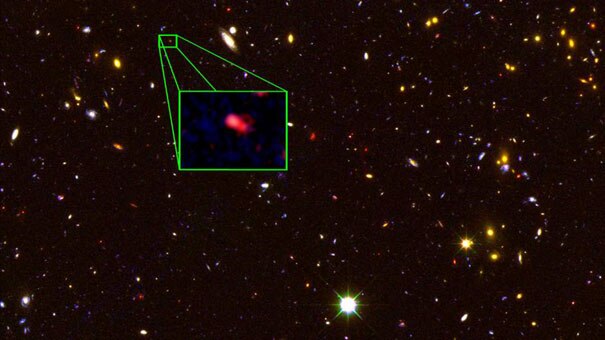
ചുവന്ന പൊട്ടിന്റെ രൂപത്തില്‍ കാണുന്നതാണ് പുതിയതായി തിരിച്ചറിഞ്ഞ ഗാലക്‌സി


പ്രകാശവര്‍ണരാജി നിരീക്ഷിക്കാനുപയോഗിക്കുന്ന ഉപകരണമാണ് സ്‌പെക്ട്രോസ്‌കോപ്പ്. അതുപയോഗിച്ച് പുതിയതായി തിരിച്ചറിഞ്ഞ ഗാലക്‌സിയുടെ 'ചുവപ്പുവ്യതിയാനം' ( redshift ) അളക്കുകയാണ് ഗവേഷകര്‍ ചെയ്തതെന്ന്, 'നേച്ചര്‍ ജേര്‍ണലി'ല്‍ പ്രസിദ്ധീകരിച്ച പഠനറിപ്പോര്‍ട്ട് പറയുന്നു.

ഗാലക്‌സിയുടെ ചുവപ്പുവ്യതിയാനം 7.51 എന്നാണ് സ്ഥിരീകരിച്ചത്. മഹാവിസ്‌ഫോടനം വഴി പ്രപഞ്ചം നിലവില്‍ വന്ന് വെറും 70 കോടി വര്‍ഷം കഴിഞ്ഞപ്പോള്‍ രൂപപ്പെട്ടതാണ് ഗാലക്‌സിയെന്നാണ് ഇതിനര്‍ഥം.

'മറ്റ് കണ്ടെത്തലുകളെ അപേക്ഷിച്ച്, ഈ ഗാലക്‌സിയെ അതുല്യമാക്കുന്ന ഘടകം, സ്‌പെക്ട്രോസ്‌കോപ്പ് ഉപയോഗിച്ച് അതിന്റെ അകലം സ്ഥീരീകരിക്കാന്‍ സാധിച്ചു എന്നതാണ്' - പഠനസംഘത്തില്‍ അംഗമായ കാലിഫോര്‍ണിയ സര്‍വകലാശാലയിലെ ബഹ്‌റാം മൊബാഷര്‍ ചൂണ്ടിക്കാട്ടി.
 

The dark matter!


Cordon Caulle by Francisco Negroni

Tuesday, October 08, 2013

Nobel Prize in Physics 2013


The Nobel Prize in Physics 2013 The Nobel Prize in Physics 2013 was awarded jointly to François Englert and Peter W. Higgs "for the theoretical discovery of a mechanism that contributes to our understanding of the origin of mass of subatomic particles, and which recently was confirmed through the discovery of the predicted fundamental particle, by the ATLAS and CMS experiments at CERN's Large Hadron Collider"
 
- K A Solaman

Sunday, October 06, 2013

What is a constant vector?

A constant vector is one which does not change with time (or any other variable). For example, the origin (0,0,0) is constant, and the point (34,2,22) is constant. They are always in the same place.

A position vector is one that uniquely specifies the position of a point with respect to an origin. For any point P in space, we can define the position vector p = the vector from O to P (where O is the origin). This contrasts with velocity vectors etc. which represent other things.

If A is a constant vector prove that grad(r.A) = A where r is a vector too


Proof
Let r = x i + y j + z k and A = A1 i + A2 j + A3 k


r . A = A1x + A2y + A3z

grad[r . A] = ∂/∂x(A1x) i + ∂/∂y(A2y) j + ∂/∂z(A3z) k

= A1(∂x/∂x) i + A2(∂y/∂y) j + A3(∂z/∂z) k

= A1(1) i + A2(1) j + A3(1) k

grad[r . A] = A1 i + A2 j + A3 k = A

Note; since A is a constant vector ∂/∂x(A1x) = A1(∂x/∂x) and similarly for other two components.

Assignment Question 

Prove that r.A is solenoidal and irrotational 

(Ans: Prove dive (r.A) =0 and Curl (r.A) =0

Saturday, September 14, 2013

Qingdao Haiwan Bridge


The Worlds Longest Sea Bridge stretches a massive 26.4 miles.The Qingdao Haiwan Bridge was completed on December 27, 2010 and costs a 5.5 billion pounds to build.

Thursday, September 12, 2013

Saturday, September 07, 2013

Teachers' day at St Michael's College.

Photo: WE SALUTE OUR BELOVED TEACHERS
St.Michael's College,Cherthala

The man behind the first row is a familiar face!

-K A Solaman 

Thursday, September 05, 2013

All teachers retired!


NATIONAL TEACHERS' DAY

These are all  teachers retired from St Michael's College, Cherthala

 From top L to R I Row 1 P O Thomas, 2 Catherine Morris, 3 T C Koshy, 4 P J Paul 5 A C Joseph 6 K G Sudhakaran Nair, 7 S Peaceamma, 8 V R Haridas, 9 N Vasundara Kamath 

II Row 10 Glory Joseph Mathan 11 P A Jochan 12 P N Vishnu radhan Nampoothiri 13 A P Mathew 14 George Thomas 15 Thresiamma Eapen 16 K V Stella 17 K A Sen, 18 Gricy Peter 

III Row 19 Francis Zelma Queenie 20 K V Ummachan 21 M Shyla Medonna,22 W F Jayamohanan 23 Jose P kalloopparambil 24 R Narayana Pillai 25 P J Jose 26 V K George 27 V A Marykutty

 IV Row 28 K A Solaman 29 M A Mathew 30 Susheela Marshal 31 Angela Jean Thomas 32 M K Kurian, 33 K J John 34 K C Joseph Mathan 35 Margret Isaac 36 Pius Mathai

V Row 37 P V Nirmala, 38 Paul Prasadu 39 Anna Jose 40 V Sankaran Unni 41 V A Francis 42 A S Jacob 43 V K Rajani 44 A T Sen Pillai 45 P R Sreekumara Kurup.

-K A Solaman

Wednesday, September 04, 2013

Happy teacher's day!

Happy teacher's day!


On this teacher’s day.
September 5 is celebrated as Teacher's Day as it is Dr. Sarvepalli Radhakrishnan's birthday and he is regarded as one of the finest teachers.
Teacher is the quintessence of life and it is only through a teacher that we are what we are today. The first teacher in our life is our mother, and then comes the father. They teach us, take care of us and raise us to be good human beings prepared to face the world. The hands that raise the child a thousand times and the hands that rock the cradle  a thousand rules the world. Our parents teach us to follow discipline and to learn the importance of values and respect in life. Each parent has his or her role to play and ideas to contribute. We are students in every step of life. As children, we learn from parents and the parents are our very first teachers.
Then we go to school and there we  learn from our teachers. We learn the basics of every language from our teachers. They teach us science, mathematics, social studies and what else. In colleges too we are supplemented with our beloved teachers.   It is indeed a pleasure and privilege to be with such learned people who selflessly teach us the art of science, the beauty of the surroundings and the history of the world. Teachers are gems and we cherish them forever.
Our next stage is the world where we start a career. Our team manager is our teacher. There we realize the importance of all the values, and rules set down by our parents at that young age. Suddenly, the discipline of putting things back in place, of going to bed on time, of praying when we wake up, all begins to make sense. We realize that time is money and we stop wasting time.
As we move further on in life, we settle down to a happy family life. Our spouse becomes our teacher. We learn a lot from him or her. She or he comes from a different background and we learn the art of adjustment and compromise. We share, care and begin to learn to share our personality with another person gradually we become parents. Our learning does not end here. We begin to learn from children. Child is the father of man- this Wordsworth statement perhaps means that the qualities exhibited by a child will deepen and appear in a marked form when the child grows up into a man. By observing and studying the behaviour, the inclinations, the preferences, the prejudices and the tendencies of child we can form an idea as to what sort of man he will develop into. We begin to behave ourself, we stop swearing and we do not indulge in bad habits. We learn from children. They are our best teachers.
As we grow old, we look back rocking our experiences back and forth. We realize that Teachers are Gems, they are important and they are here to make us what we are today. We are all students of one common teacher – LIFE. Life is the biggest teacher.
So on this teacher’s day let us all salute our loved, respected and amazing teachers!

K A Solaman

Monday, August 26, 2013

The Beta Decay

β− decay.


An unstable atomic nucleus with an excess of neutrons may undergo β− decay, where a neutron is converted into a proton, an electron and an electron-type anti-neutrino (the antiparticle of the neutrino).

This process is mediated by the weak interaction. The neutron turns into a proton through the emission of a virtual W− boson. At the quark level, W− emission turns a down-type quark into an up-type quark, turning a neutron (one up quark and two down quarks) into a proton (two up quarks and one down quark). The virtual W− boson then decays into an electron and an anti-neutrino.

Sourav Poudel asked about Beta Decay. If anyone has any vital information about beta decay, please share with us.